Keeping Your Cyclamen Happy Indoors
November 24, 2026 | News
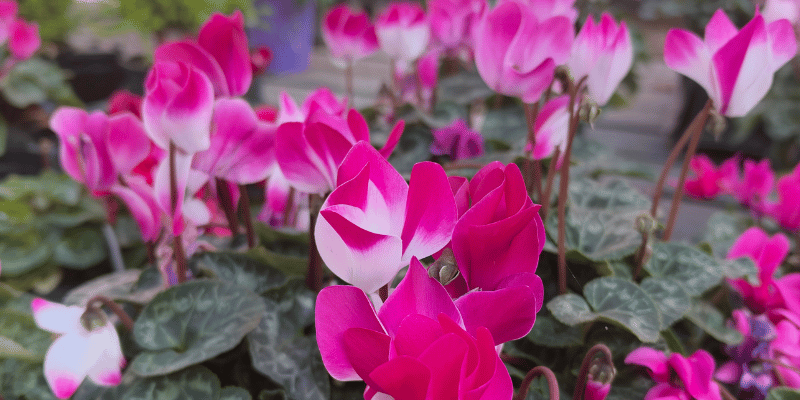
Looking for a houseplant that brings a little color into your home during the cold winter months? Meet the cyclamen! With its vibrant blooms, heart-shaped leaves, and beautiful patterns, this winter-loving plant is a great way to brighten up your space when everything outside is looking a little gray.
But here’s something that surprises many plant lovers: Cyclamen actually prefer cooler temperatures!
Unlike many tropical houseplants that love warmth and humidity, cyclamen thrive in cooler conditions, making them a wonderful choice for winter decorating.
If you’ve ever brought home a beautiful cyclamen only to watch it start drooping a few weeks later, don’t worry! A few simple adjustments can make all the difference.
Here’s everything you need to know to keep your cyclamen happy and blooming all winter long.
1. Keep It Cool
The biggest secret to keeping cyclamen healthy is temperature.
While we might love turning up the heat during Boise’s chilly winters, cyclamen prefer things a little cooler.
Ideal temperatures for cyclamen:
- Daytime: 60-65°F
- Nighttime: 50-55°F
- Avoid prolonged exposure to temperatures above 70°F.
Warm indoor temperatures can cause cyclamen flowers to fade faster, leaves to turn yellow, and the plant to stop blooming.
FarWest Tip: Try placing your cyclamen in a bright, cool room away from heating vents, fireplaces, and other heat sources. A cooler bedroom or sunroom can be an excellent spot, as long as temperatures stay above freezing.
2. Give It Bright, Indirect Light
Cyclamen love natural light, especially during the shorter winter days.
A bright window with indirect sunlight is ideal. During winter, some gentle morning sun can also be beneficial.
Signs your cyclamen needs more light:
- Fewer flowers
- Weak or stretched growth
- Pale leaves
- Slower growth
How to fix it: Move your plant closer to a bright window, but avoid placing it against freezing glass or exposing it to intense afternoon sunlight.
3. Water Carefully! Cyclamen Don’t Like Wet Feet
Watering is one of the trickiest parts of cyclamen care, but once you understand what they prefer, it’s much easier.
Cyclamen like consistently lightly moist soil while they’re actively growing and blooming, but they don’t want to sit in soggy conditions.
Overwatering can lead to root and tuber rot, while allowing the soil to become excessively dry can cause flowers and leaves to droop.
How to water your cyclamen:
- Check the soil regularly and water when the surface begins to feel dry.
- Water around the edge of the pot rather than directly onto the center of the plant.
- Use a pot with drainage holes.
- Empty any excess water from the saucer.
Another great option is bottom watering! Simply place the pot in a shallow container of water for about 10-15 minutes, allowing the soil to absorb moisture through the drainage holes. Then remove the pot and let it drain thoroughly.
FarWest Tip: Avoid pouring water directly into the crown of the plant, where the leaves and flowers emerge. Excess moisture sitting in this area can encourage rot.
4. Remove Spent Flowers to Encourage More Blooms
One of the best things about cyclamen is their ability to produce beautiful flowers throughout the cooler months.
With proper care, a healthy cyclamen can continue blooming for several weeks or even months.
To keep your plant looking its best, regularly remove faded flowers and yellowing leaves.
Here’s a helpful trick: Instead of cutting the flower stems halfway down, gently grasp each spent stem near its base, twist slightly, and pull it away from the tuber.
Removing the entire stem helps prevent decaying plant material from collecting around the crown.
FarWest Tip: Regularly removing spent blooms helps keep your cyclamen tidy and may encourage the plant to continue producing flowers under favorable growing conditions.
5. Don’t Overdo the Fertilizer
Cyclamen don’t need heavy feeding to look beautiful.
During their active growing and blooming season, a diluted liquid houseplant fertilizer can help support healthy growth.
How to fertilize:
- Use a balanced liquid fertilizer at reduced strength.
- Feed approximately every 3-4 weeks while actively growing, if needed.
- Avoid overfertilizing, which can encourage excessive leaf growth and reduce flowering.
FarWest Tip: If your cyclamen is blooming beautifully and looks healthy, there’s no need to rush to fertilize it. Sometimes less really is more!
6. Don’t Throw It Away When the Flowers Disappear!
Here’s something many people don’t realize about cyclamen: They naturally go through a dormant period!
As spring approaches and temperatures rise, your cyclamen may begin producing fewer flowers. Eventually, some or all of its leaves may turn yellow and die back.
This doesn’t necessarily mean your plant is dying.
Cyclamen grow from a tuber, which stores energy during their resting period.
What to do when your cyclamen goes dormant:
- Gradually reduce watering as the leaves begin to yellow naturally.
- Stop fertilizing.
- Allow the plant to rest in a cool, dry, shaded location.
- Once new growth appears, gradually resume watering and move it into bright, indirect light.
Not every cyclamen goes completely dormant indoors, so follow your plant’s growth rather than forcing it to dry out on a strict schedule.
With patience and the right conditions, your cyclamen may reward you with another beautiful season of blooms!
Common Cyclamen Problems
Not sure what’s going wrong with your cyclamen? Here are a few common problems to watch for.
Yellow leaves: Often caused by excessive heat, overwatering, or the beginning of natural dormancy.
Drooping flowers: Can indicate dry soil, excessive warmth, or root problems. Check soil moisture before watering.
Mushy stems: Usually a sign of excess moisture or rot. Remove affected growth and check drainage.
No new flowers: Your plant may need cooler temperatures, brighter light, or time to recover.
Brown, crispy leaves: May indicate excessive heat, dry soil, or exposure to strong sunlight.
The key is to look at your plant’s overall condition rather than assuming every yellow leaf or drooping flower means something is wrong.
Bring a Little Color Into Your Home This Winter!
When the days are short and the temperatures drop, cyclamen are a beautiful reminder that winter doesn’t have to mean a break from colorful blooms.
With their unique flowers, patterned foliage, and love for cooler temperatures, they’re a wonderful addition to your winter houseplant collection.
At FarWest Landscape & Garden Center in Boise, Idaho, we love helping our customers discover plants that bring beauty into their homes all year long.
Whether you’re looking for a colorful winter houseplant, the perfect holiday gift, or advice on keeping your plants healthy, our team is here to help.
Stop by FarWest Garden Center and discover how a little winter color can brighten your home!