Pollinator Plant of the Week: Echinacea
June 16, 2026 | News
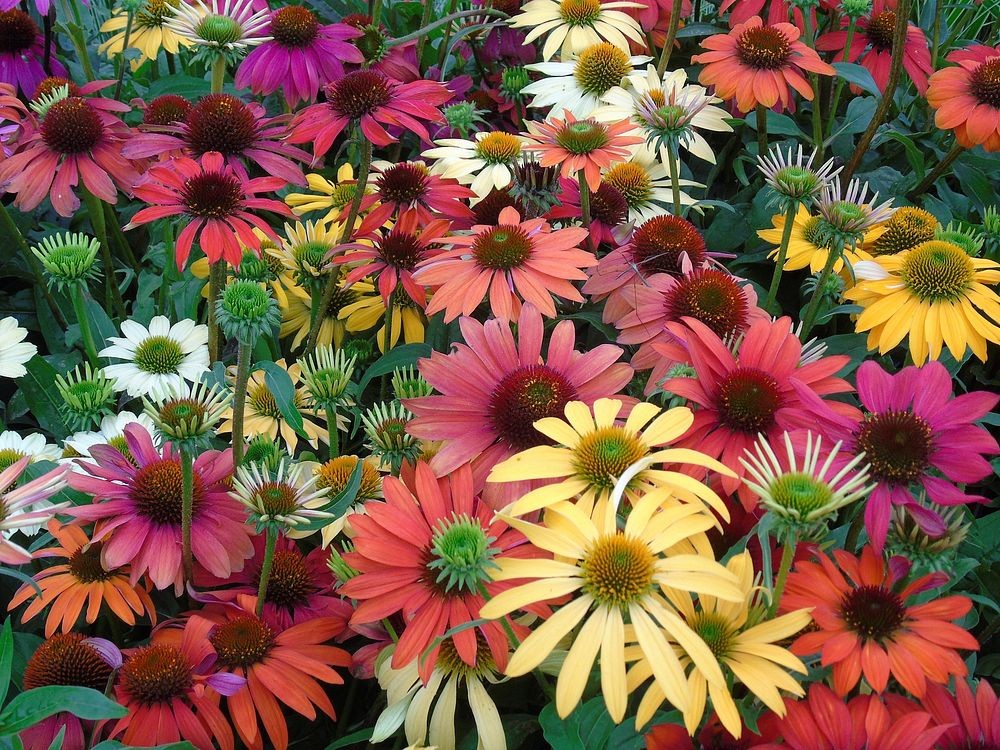
June is Pollinator Month, and this week’s featured plant is one of the most reliable and recognizable perennials for pollinators: Echinacea, commonly known as Coneflower. With its bold blooms, long flowering season, and low-maintenance nature, Echinacea is a staple in pollinator-friendly gardens.
Why Pollinators Love Echinacea
Echinacea produces large, open flowers that make it easy for pollinators to access nectar and pollen. It attracts a wide range of beneficial insects, including:
- Native bees and honeybees
- Butterflies such as swallowtails and painted ladies
- Beneficial insects that support overall garden health
As the flowers mature, the seed heads also become an important food source for birds later in the season.
Why Gardeners Love It
Echinacea is valued in the landscape for both its beauty and durability:
- Long bloom period from summer into early fall
- Thrives in full sun
- Drought tolerant once established
- Low maintenance and dependable year after year
- Hardy in Idaho climates
It is available in a variety of colors including purple, pink, white, yellow, and orange, making it easy to fit into many landscape styles.
Growing Tips
For best performance, plant Echinacea in:
- Full sun (at least 6 hours per day)
- Well-drained soil
- Garden beds, borders, and pollinator plantings
Deadheading can extend blooming, but leaving some seed heads in fall provides natural food for birds and adds winter interest.
Add Echinacea to Your Pollinator Garden
If you are looking for a tough, beautiful perennial that supports pollinators and performs well in the Treasure Valley, Echinacea is an excellent choice. Visit FarWest Garden Center to explore available varieties and find the right fit for your landscape.