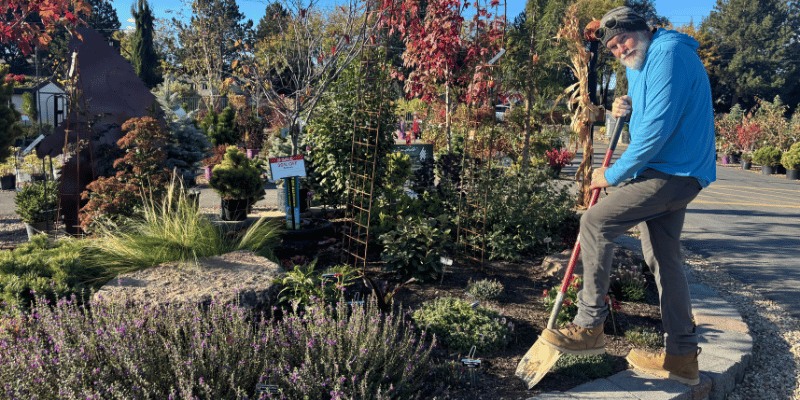
The Lazy Gardener’s Guide to Fall Cleanup
October 14, 2026 | News
What You Actually Need to Do in Your Boise Garden
Fall cleanup can feel like a race to make every garden bed perfectly tidy before winter. But here’s the good news: you don’t have to clean up everything. In fact, leaving some of your garden alone can actually benefit pollinators, wildlife, and your soil.
1. Don’t Cut Back Everything
One of the easiest ways to save yourself some work? Leave some perennials standing through winter.
Plants like ornamental grasses, coneflowers, black-eyed Susans, sedums, and other perennials can provide winter interest and food or shelter for birds and beneficial insects.
Instead of cutting everything to the ground, focus on removing plants that are diseased, damaged, or simply need to be cleared away.
2. Pull the Problem Plants
Not everything gets a free pass.
Remove annuals and vegetable plants that are finished for the season, especially if they’re diseased or showing signs of pests. Leaving unhealthy plant material in the garden can create problems for next year.
Healthy plant debris can often be composted, while diseased material is better disposed of rather than added to your compost pile.
3. Plant Bulbs Now and Let Spring Do the Work
Want the easiest possible spring garden?
Plant bulbs this fall.
Tulips, daffodils, crocuses, alliums, and other spring-flowering bulbs need a period of cold to perform their best. October is a great time to get many spring bulbs into the ground in the Boise area before the soil freezes.
Dig. Drop. Done.
Then let winter do the rest.
4. Give New Trees & Shrubs Some Attention
Here’s one thing you shouldn’t be lazy about: watering newly planted trees and shrubs.
Cooler temperatures don’t mean plants no longer need water. Newly planted trees and shrubs are still developing their root systems and may need supplemental watering well into fall, depending on weather and soil conditions.
Give them a good drink when needed, particularly during dry stretches, and keep an eye on soil moisture.
5. Leave Some Leaves
You don’t need to rake every single leaf out of your landscape.
A thin layer of leaves can break down and return organic matter to the soil. Leaves can also provide habitat for beneficial insects.
That said, don’t let thick layers pile up on lawns or smother plants. Move excess leaves into garden beds, shred them with a mower, or add them to your compost pile.
Basically: leave some, not all.
6. Mulch = Your Garden’s Winter Blanket
Once the ground has cooled, adding a layer of mulch around trees, shrubs, and perennial beds can help insulate roots and conserve moisture.
Just remember: mulch should not be piled against tree trunks.
Keep mulch a few inches away from the trunk and spread it in a wide, even layer around the root zone.
7. Put the Pruners Down
Fall can be tempting for a major pruning session, but resist the urge to cut everything back just because the leaves are falling.
Many trees and shrubs are better pruned at specific times of year, and heavy pruning at the wrong time can encourage tender new growth or remove next year’s flowers.
If you’re unsure whether something should be pruned now, ask before you cut.
Your Lazy Gardener Checklist
If you only have time for the essentials this fall, focus on:
☐ Remove diseased plant material
☐ Pull spent annuals and vegetables
☐ Plant spring-flowering bulbs
☐ Water newly planted trees and shrubs
☐ Add mulch where needed
☐ Rake leaves off lawns and hard surfaces
☐ Leave some healthy perennials standing
☐ Resist unnecessary pruning
And that’s it.
Your garden does not need to look perfectly manicured before winter. A little fall cleanup goes a long way, and leaving some things alone can actually be better for your garden.
So grab your gloves, tackle the important stuff, and then give yourself permission to stop. Your Boise garden, and your Saturday, will thank you.
Need help figuring out what your garden needs this fall? Stop by FarWest Garden Center and talk with our plant experts.